 Gamblingsitesnotgstop.com
 Available in US
UK Payments at Non-GamStop Casinos
Contents
Banking Outside the UKGC System
Different rules, different payment rails — and different speeds. The payment landscape at non-GamStop casinos diverges from UKGC-licensed platforms in ways that go beyond having more options on a dropdown menu. Some of the differences benefit the player directly: faster withdrawals, broader method selection, access to credit card deposits that the UK Gambling Commission banned in 2020. Others introduce risks that UKGC regulation was specifically designed to mitigate: weaker chargeback protections, less standardised processing timelines, and fewer guarantees about where your funds sit between deposit and withdrawal. For the fastest and most private transactions, many players prefer using crypto casinos not on GamStop instead of traditional bank transfers.
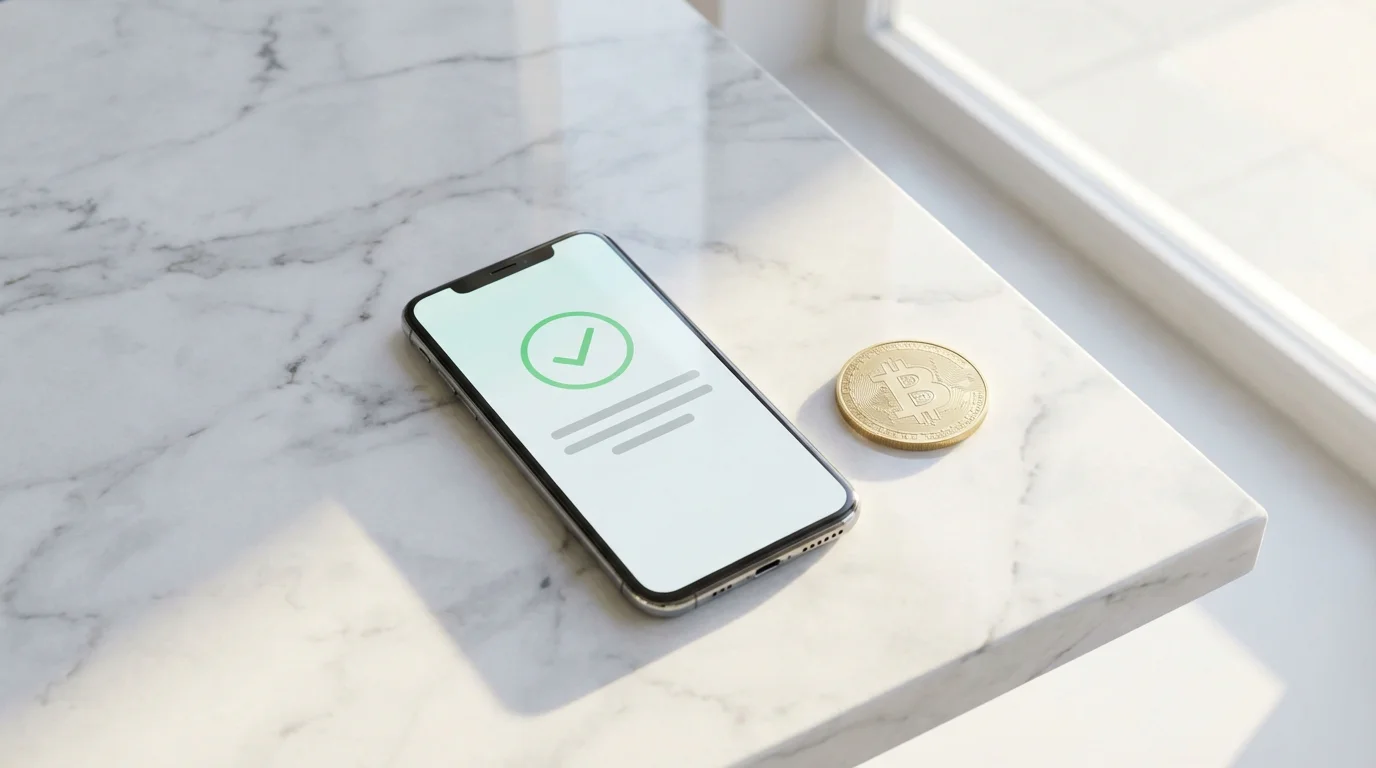
For UK players, the most immediately noticeable change is the presence of cryptocurrency as a primary payment method. At UKGC casinos, crypto deposits are functionally non-existent because the regulatory framework hasn’t accommodated them. At offshore platforms, crypto is often the fastest, cheapest, and most reliable way to move money in both directions. The second major shift is credit card availability — Visa and Mastercard credit deposits are accepted at most non-GamStop casinos, reversing the ban that UKGC operators have observed since April 2020. E-wallets like Skrill, Neteller, and Payz remain available across both ecosystems, though processing speeds and fee structures can differ between licensed and offshore operators.
This article covers each major payment method available at non-GamStop casinos, explains how deposits and withdrawals actually work in practice, compares real-world processing times against advertised timelines, and details the fees, minimums, and caps that affect how much money you can move and how quickly. The banking page of any casino tells you what methods are accepted. What it rarely tells you is how those methods actually perform under normal conditions — and that’s the gap this guide fills.
Cryptocurrency at Non-GamStop Casinos
Crypto isn’t a gimmick at offshore casinos — it’s the backbone. For a significant and growing number of non-GamStop platforms, cryptocurrency is the default payment infrastructure around which everything else is built. The reasons are structural rather than ideological: crypto transactions bypass traditional banking intermediaries, settle faster, cost less in processing fees, and don’t trigger the payment blocks that some UK banks apply to gambling transactions. For operators, crypto reduces payment processing overhead. For players, it delivers the fastest deposit-to-play and withdrawal-to-wallet experience available.
Bitcoin, Ethereum, and Stablecoins
Bitcoin remains the most widely accepted cryptocurrency at non-GamStop casinos, supported by virtually every platform that accepts crypto at all. Deposits confirm after one to three network confirmations, which typically takes between ten and forty minutes depending on network congestion and the fee attached to the transaction. Ethereum offers similar ubiquity with marginally faster confirmation times under normal network conditions. Both currencies carry the inherent volatility risk that comes with any non-pegged digital asset — the value of your deposit can shift between the time you send the transaction and the time the casino credits your account.
Stablecoins — primarily USDT on the Tron or Ethereum network, and to a lesser extent USDC — have become increasingly prominent at offshore casinos precisely because they solve the volatility problem. A deposit of 100 USDT holds its dollar peg regardless of what the broader crypto market does in the interim. For players who want the speed and privacy benefits of crypto without the exchange rate risk, stablecoins are the practical choice. Tron-based USDT transactions are particularly favoured because they settle in seconds and carry negligible fees — often under £0.50 per transaction regardless of the amount.
Litecoin, Dogecoin, Bitcoin Cash, and various altcoins appear at crypto-forward platforms, though their availability is less consistent. Litecoin’s faster block times make it a reasonable alternative to Bitcoin for players who want quicker confirmations. The rest are largely niche options that serve players who already hold those assets rather than representing a practical advantage over Bitcoin, Ethereum, or USDT.
How Crypto Deposits and Withdrawals Actually Work
The mechanics are straightforward once you’ve completed them once, but they’re unfamiliar enough to deter players who’ve never used cryptocurrency for payments. A crypto deposit at a non-GamStop casino follows this sequence: you navigate to the cashier page, select the cryptocurrency you want to use, and the casino generates a unique wallet address and usually a QR code for your deposit. You open your personal crypto wallet — whether that’s a mobile app, a browser extension, or a hardware device — and send the desired amount to the casino’s address. Once the blockchain confirms the transaction, the casino credits your account, usually in the equivalent fiat value at the time of confirmation.
Withdrawals reverse the process. You enter your personal wallet address in the casino’s withdrawal form, specify the amount, and submit the request. The casino processes the withdrawal — the speed of which depends on the platform’s internal review procedures — and broadcasts the transaction to the blockchain. From there, network confirmation times apply. At well-run casinos, the entire sequence from withdrawal request to funds appearing in your wallet takes under two hours for Bitcoin and under thirty minutes for USDT on Tron or Litecoin. At slower platforms, internal processing adds a delay of 12 to 48 hours before the blockchain transaction is even initiated.
One practical consideration that catches new crypto users: wallet addresses are long strings of alphanumeric characters, and sending funds to an incorrect address results in permanent, irrecoverable loss. Always copy and paste rather than typing manually, and double-check the first and last several characters of the address before confirming. Sending Bitcoin to an Ethereum address, or Tron-based USDT to an Ethereum USDT address, will also result in lost funds. The casino’s cashier page specifies which network to use for each supported currency. Pay attention to it.
Credit Cards, E-Wallets, and Bank Transfers
Yes, credit cards work here — and that’s a bigger shift than it sounds. The UKGC’s ban on credit card gambling deposits, introduced in April 2020, removed a payment method that millions of UK players had used routinely. The ban’s intent was harm reduction: credit card gambling allows players to bet with borrowed money, which compounds losses and can accelerate problem gambling behaviour. Offshore casinos are not bound by UKGC rules, and the majority accept Visa and Mastercard credit card deposits without restriction.
Credit and Debit Cards at Offshore Casinos
Credit card deposits at non-GamStop casinos process much the same way they did at UK casinos before the 2020 ban. You enter your card details on the cashier page, specify the deposit amount, and the transaction processes through a payment gateway — usually within seconds. Debit cards work identically and are accepted universally. The key difference is on the withdrawal side: most offshore casinos can process debit card withdrawals, returning funds to the card used for deposit, but credit card withdrawals are often unavailable due to card network restrictions. Players who deposit via credit card frequently need to select an alternative method — typically an e-wallet or bank transfer — for withdrawals.
The availability of credit card gambling offshore doesn’t mean it’s advisable. Gambling with borrowed money introduces a cost layer that the house edge alone doesn’t capture: interest accrues on the balance from the moment of the transaction, since most credit cards treat gambling deposits as cash advances with higher interest rates and no grace period. Losses become debts rather than spent funds. The UKGC banned credit card deposits for empirically supported reasons, and those reasons don’t change because the casino is licensed elsewhere. The option exists. Whether to use it is a separate question that deserves honest self-assessment.
Skrill, Neteller, Payz, and Other E-Wallets
E-wallets bridge the gap between crypto speed and traditional banking familiarity. Skrill and Neteller are the two most widely supported e-wallets at non-GamStop casinos, accepted at an estimated 80% or more of platforms that serve UK players. Payz and MiFinity appear less frequently but maintain a consistent presence at established operators. The appeal of e-wallets is threefold: deposits are instant, withdrawals are typically faster than bank transfers, and the e-wallet acts as a buffer between your primary bank account and the casino — which some players prefer for privacy or budgeting purposes.
Deposit processing via e-wallets is essentially instant at every reputable non-GamStop casino. Withdrawal times vary more widely. At the best platforms, e-wallet withdrawals clear within 2 to 12 hours. At average ones, expect 24 to 48 hours. The e-wallet provider itself doesn’t add significant delay — Skrill and Neteller credit incoming transfers almost immediately — so the bottleneck is the casino’s internal processing queue. Once the casino releases the funds, they appear in your e-wallet balance within minutes.
Bank transfers remain available at most non-GamStop casinos as a fallback option, though they’re the slowest method across the board. Deposit processing typically takes one to three business days, and withdrawals can take three to seven business days depending on the casino’s processing schedule and the intermediary banks involved. Some UK banks flag incoming transfers from offshore gambling operators, which can add additional delays or trigger account review procedures. For players who want to avoid this, e-wallets serve as an effective intermediary: withdraw from the casino to your e-wallet, then transfer from your e-wallet to your bank account as a separate transaction.
Withdrawal Processing Times — What to Actually Expect
Advertised times and real times are different things. Every non-GamStop casino publishes processing time estimates on its banking page, and those estimates are technically accurate — they describe how long the payment method itself takes once the casino initiates the transaction. What they don’t include is the internal processing delay: the period between when you submit a withdrawal request and when the casino actually begins processing it. This gap — sometimes called the “pending period” — is where the meaningful variation between casinos occurs.
At the fastest non-GamStop casinos, internal processing for verified accounts is near-instant. You request a Bitcoin withdrawal, and the transaction hits the blockchain within minutes. At average platforms, a review queue adds 6 to 24 hours. At slower operators, a mandatory pending period of 24 to 72 hours applies to all withdrawals regardless of method or verification status. Some casinos frame pending periods as a “cooling off” feature, ostensibly giving players time to reconsider. The practical effect is that during the pending window, you can reverse the withdrawal and return the funds to your playable balance — a design that benefits the casino far more than the player.
Based on real-world testing across multiple non-GamStop platforms, the following ranges represent typical total times from withdrawal request to funds received. Crypto withdrawals at fast casinos land in one to three hours; at average casinos, 12 to 24 hours; at slow casinos, two to four days. E-wallet withdrawals at fast casinos clear in 2 to 12 hours; at average casinos, 24 to 48 hours; at slow casinos, three to five days. Bank transfer withdrawals at fast casinos take two to three business days; at average casinos, five to seven business days; at slow casinos, seven to ten business days or longer.
The single best predictor of withdrawal speed is the casino’s processing policy for verified accounts. If you’ve completed KYC verification in advance — uploading identity documents, proof of address, and payment method confirmation — withdrawals typically process at the faster end of the range. If you haven’t verified, your first withdrawal will trigger a KYC request that can add one to five business days to the timeline. Complete verification immediately after registration, before you’ve played a single game. It costs nothing, takes ten minutes, and removes the single largest source of withdrawal delays.
Fees, Minimums, and Maximum Withdrawal Caps
The fine print on banking pages often hides the real cost of playing. Most non-GamStop casinos advertise “zero fees” on deposits and withdrawals, and for the most common methods — crypto, Skrill, Neteller, debit cards — this is broadly accurate at the casino’s end. However, fees can accumulate from other sources in the payment chain. Crypto transactions carry network fees paid by the sender when depositing, and either absorbed by the casino or deducted from the withdrawal amount when cashing out. E-wallet providers charge their own fees — Skrill and Neteller typically take a percentage on incoming bank transfers used to fund the e-wallet, and may charge for currency conversion if your balance is in a different denomination than the casino’s base currency. Bank transfers can carry intermediary bank fees, particularly for international transfers, that neither the casino nor your bank fully discloses in advance.
Minimum deposit amounts at non-GamStop casinos typically range from £10 to £30 for traditional methods and from £10 to £20 in equivalent value for crypto. Minimum withdrawal thresholds tend to sit slightly higher: £20 to £50 is the standard range, with some platforms setting crypto minimums lower and bank transfer minimums higher. Casinos that set minimum withdrawals above £50 without clear justification are worth questioning — a high minimum forces players to maintain a larger balance than they might otherwise choose, which keeps funds in play longer.
Maximum withdrawal caps introduce a different kind of constraint. Weekly and monthly withdrawal limits are common at non-GamStop casinos, particularly those licensed in Curaçao. A typical weekly cap might be £5,000 to £10,000; monthly caps range from £15,000 to £50,000. VIP programmes at some platforms raise or remove these limits for high-volume players. For the average recreational player, these caps rarely matter. For players who hit a large jackpot or accumulate a significant balance, the cap means that withdrawal happens in instalments spread over weeks or months — during which time the remaining balance sits in the casino’s account rather than yours. MGA-licensed casinos tend to impose higher caps or none at all, while Curaçao-licensed platforms are more likely to enforce restrictive limits. Always check the maximum withdrawal policy before depositing any amount you’d want to remove in a single transaction.
One final cost that frequently goes unnoticed: currency conversion on the casino’s side. Many non-GamStop casinos denominate accounts in USD or EUR rather than GBP. If your account is in dollars but you deposit and withdraw in pounds, the casino’s own exchange rate applies — and it’s rarely favourable. The spread between the casino’s rate and the mid-market rate typically runs 2% to 4%, which functions as a hidden fee on every transaction. Where possible, match your deposit currency to your account currency, or choose a casino that offers GBP-denominated accounts. Alternatively, using a stablecoin like USDT eliminates the conversion issue entirely for crypto users. These savings may seem small per transaction, but they compound meaningfully over repeated deposit and withdrawal cycles across an active playing schedule.
The Fastest Route Out Is the One You Plan Before Going In
Smart banking is bankroll management by another name. The payment method you choose at a non-GamStop casino affects not just how quickly you can deposit and play, but how quickly you can leave with your money — and the latter is the metric that actually matters. A fast deposit paired with a slow withdrawal is an asymmetry that benefits the casino: your money enters the system instantly and exits on the casino’s schedule. Choosing a method that’s fast in both directions rebalances that dynamic.
For speed and cost efficiency, crypto remains the strongest option — specifically, USDT on the Tron network for players who want to avoid exchange rate volatility, or Bitcoin and Litecoin for players comfortable with price fluctuation. E-wallets offer the best compromise between speed and familiarity for players who prefer not to deal with cryptocurrency. Credit and debit cards work well for deposits but introduce complications on the withdrawal side that make them suboptimal as a sole payment method. Bank transfers are reliable but slow, best suited for larger, less frequent withdrawals where speed isn’t the primary concern.
Whatever method you choose, the preparation steps are the same. Complete KYC verification before your first withdrawal request. Confirm that the casino supports withdrawal via your preferred method — some platforms restrict withdrawals to the same method used for deposit, while others allow flexibility. Check the minimum and maximum withdrawal amounts. Note any pending period the casino applies before processing begins. And calculate total fees across the full chain: from your bank or wallet to the casino, and from the casino back again. Return to our top-rated offshore gambling hub to discover the most secure platforms for real money play.
Your exit strategy should be decided before you make your first deposit, not after you’ve accumulated a balance you want to withdraw. Players who plan their payment routing in advance encounter fewer surprises, face shorter withdrawal timelines, and maintain greater control over their bankroll at every stage. A casino that makes it easy to deposit and difficult to withdraw has revealed something important about its priorities. One that moves money efficiently in both directions expects to earn your return through the quality of its platform, not through the friction of its banking process.
